Custom software development · remote
Software built around how your business runs day to day.
Treblesys designs and builds web platforms, mobile apps, SaaS products and internal systems for startups, SMEs and enterprise teams, and runs them afterwards. Discovery is a fixed price, led by senior engineers who stay on to build. You'll be clicking through a first version within a few weeks.
- Shipping production software
- 12 yrs
- Shipping production software
- Products shipped
- 120+
- Products shipped
- Clients who come back
- 92%
- Clients who come back
Sample figures. Set your own in src/lib/site.ts.

Discovery, week two
Our clients are funded startups and established SMEs, plus product teams inside larger enterprises.
- TypeScript
- React
- Next.js
- Tailwind CSS
- Vue / Nuxt
- Node.js
- Python
- .NET / C#
- Go
- GraphQL
- REST / OpenAPI
- React Native
- Expo
- Swift
- Kotlin
- AWS
- Google Cloud
- Azure
- Vercel
- Docker
- Kubernetes
- Terraform
- GitHub Actions
- PostgreSQL
- Redis
- Kafka
- Elasticsearch
- dbt
Why companies hire us
We build the parts of your operation that off-the-shelf software doesn't cover, then keep them running.
Most clients come to us with a process held together by spreadsheets and email, or an ageing system nobody will touch. Some have a product idea and no engineering team yet. We turn those into platforms the business runs on every day, built a piece at a time so each one fits the rest.
Built from modulesScroll to assemble · move to tilt
- 01
Business problem first
Every engagement starts with the number you need to move. It might be cost per order, or the hours a week someone spends re-keying invoices. We work backwards from there to the software.
- 02
Senior team, start to finish
The engineers you meet in discovery are the ones who build and ship it. Teams are small and led by people with ten or more years of production work behind them.
- 03
Built to be run for years
Tested, documented code with monitoring wired in, sitting in your own cloud accounts. We optimise for what the system costs you to own and run over its life, which is a different sum from what it costs to launch.
Services
We take on everything from a first prototype up to the system the whole company depends on.
There are ten service lines and they're all delivered the same way. Most engagements combine two or three of them.
Custom Software Development
When the spreadsheets, SaaS workarounds and manual hand-offs can't keep up, we design and build the system you need, then stay on to run it with you.
- Replace the manual, error-prone steps with software that does them the same way every time
- Own the system that makes you different from your competitors
- Cut the per-seat licence and workaround costs that climb every time you hire
- Get a platform your own team can keep extending for years
- 02Web Application DevelopmentFast, secure web platforms your customers and staff use every day.
- 03Mobile App DevelopmentiOS and Android apps for customers, field teams and managed devices.
- 04SaaS Product DevelopmentThe MVP for a new SaaS product, and the multi-tenant platform it grows into.
- 05API Development & IntegrationContract-first APIs, and integrations between the systems you already run.
- 06Cloud Infrastructure & DevOpsTerraform, pipelines, monitoring and a cloud bill you can explain.
- 07Legacy System ModernisationReplace an ageing system in stages while the business keeps running.
- 08AI & Workflow AutomationAI and automation that remove manual work, with the accuracy measured.
- 09Product & UX DesignResearch, prototypes and design systems for software used all day.
- 10Dedicated Development TeamsExperienced engineers embedded in your team, for a fixed monthly fee.
Problems we solve
Six problems we're most often called in to fix.
Clients tend to describe one of these on the first call. Under each is what it usually looks like six months later.
- Before
A core process lives in spreadsheets and email, and in one person's head.
AfterOne system of record, with the rules and approvals built in and an audit trail behind it.
How we approach it - Before
Two systems don't talk to each other, so people re-key the same data all day.
AfterIntegrations that move each record once and tell someone when something fails.
How we approach it - Before
The last change to the old platform broke it, so nobody has touched it since.
AfterModernisation done in stages. The business keeps running while it happens.
How we approach it - Before
The product idea has been validated, but there's no engineering team yet.
AfterEngineers who get an MVP out in months and stay on to scale it.
How we approach it - Before
Customers phone to ask things a portal could tell them.
AfterSelf-service web and mobile apps, so fewer of those calls reach the support desk.
How we approach it - Before
Qualified people spend the day reading documents and typing what they find into a form.
AfterAI does the extraction and first-pass triage. A person handles the exceptions.
How we approach it
Selected work
What the work looks like in practice.
A few engagements that show how we work. Each covers the problem as we found it and what changed for the business afterwards.

How we work
What happens between the first call and production.
Discovery is priced up front. After that you see running software every two weeks, with nothing held back for a big reveal at the end.
- 01
Discovery
2–4 weeks · fixed price
We start by learning how the work gets done today, from the people doing it, before anyone opens an editor. You leave with a scoped plan and a number you can take to the board.
- 02
Design & architecture
2–4 weeks
The main screens become a clickable prototype that we test with the people who'll use them. In parallel we design the architecture, data model and integrations to fit what you already run.
- 03
Build in releases
Two-week sprints
Every two weeks something new lands in a staging environment for you to try. You review real screens with the team, and re-order the backlog when what you've seen changes your mind.
- 04
Launch
1–3 weeks
We rehearse the release before doing it for real. Data migration, training and monitoring are planned back in discovery, so nobody is writing a migration script the week before go-live.
- 05
Run & evolve
Ongoing retainer
Software nobody maintains rots. A monthly retainer keeps it patched and fast, and pays for the small changes that keep coming after launch.


How the work gets done
We spend the first few weeks of a project sitting with the people who will use the system, watching how the job is done today. It is slower than reading a requirements document. It also means the first version usually works the way the business does, rather than the way a spec said it would.
How a project runs, stage by stageWhy Treblesys
What it's like to work with us.
The engineers stay the same all the way through, and you'll know what an invoice says before it arrives. Nobody here rebuilds things in whatever framework is new this year. We've shipped a lot of software and take responsibility for how it runs.
Sample figures.
More about the teamSenior people in small teams
Every team is led by an engineer with ten or more years of shipping behind them. Small teams mean fewer hand-offs and quicker decisions.
Something to click on within weeks
A deployable version goes into a staging environment a few weeks into the build. Clicking through real screens tells you more than a status report does.
Tied to a business number
We're paid to move a business number. If a requirement won't do that, we'll say so and suggest something that will.
Boring technology, on purpose
Tools we've run in production for years, chosen for the five years of maintenance that follow launch. That usually rules out whatever was new at last year's conferences.
Everything is yours
Source code, designs, infrastructure and documentation live in accounts you control from the first week. If you decide to leave, you take all of it with you.
Numbers, tracked from the start
Performance budgets, test coverage, uptime and the business metrics the project is meant to move go on a dashboard in the first sprint and into every monthly report after that.
Industries
Sector knowledge that shortens discovery.
We've built for regulated businesses and for operational ones with a lot of data moving around. Mostly that experience shows up as better questions in the first week.
- Fintech & Financial ServicesLending, payments and wealth platforms for firms the FCA regulates.
- Healthcare & Life SciencesSoftware for patients and clinicians that handles sensitive data properly.
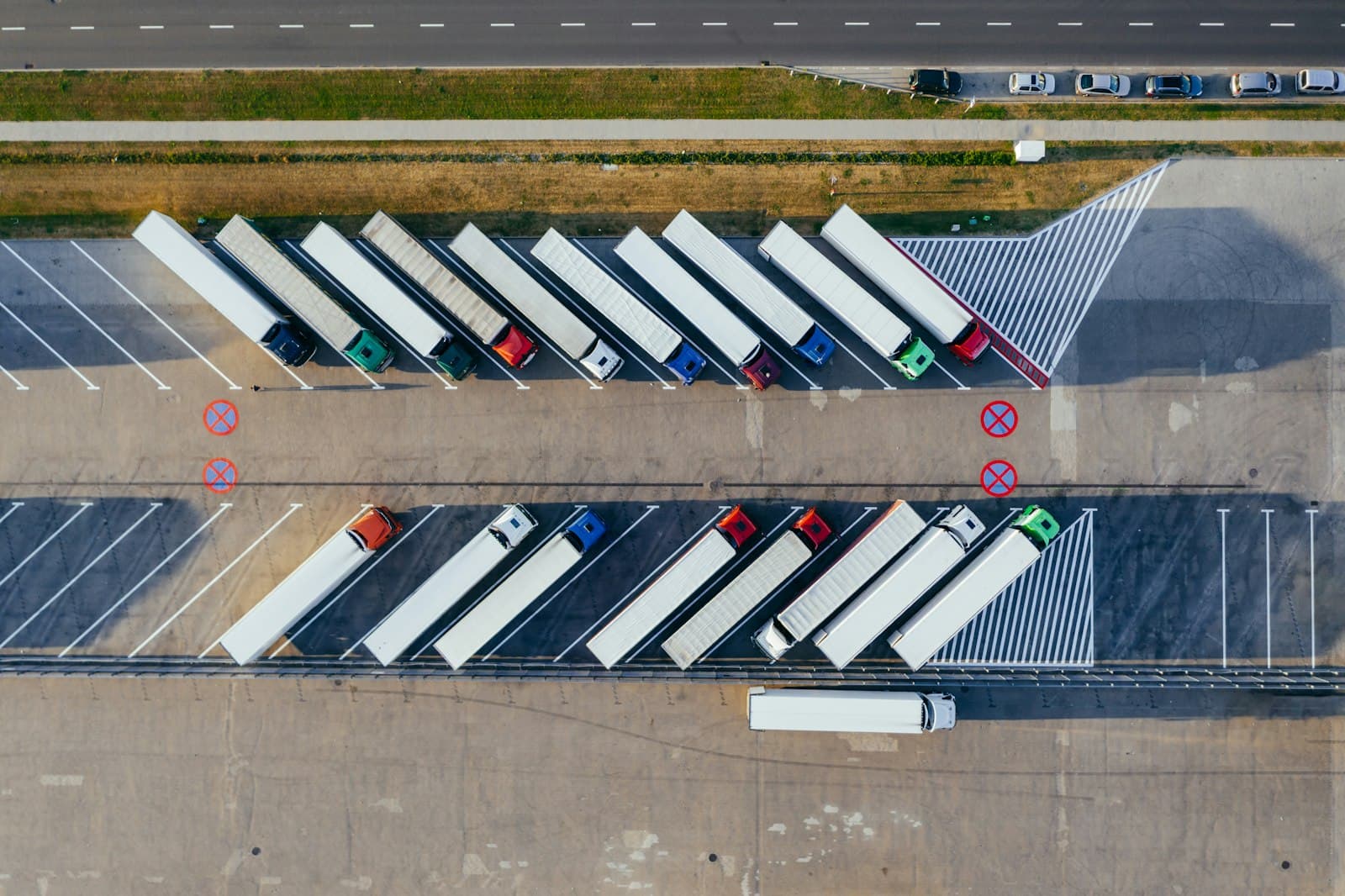
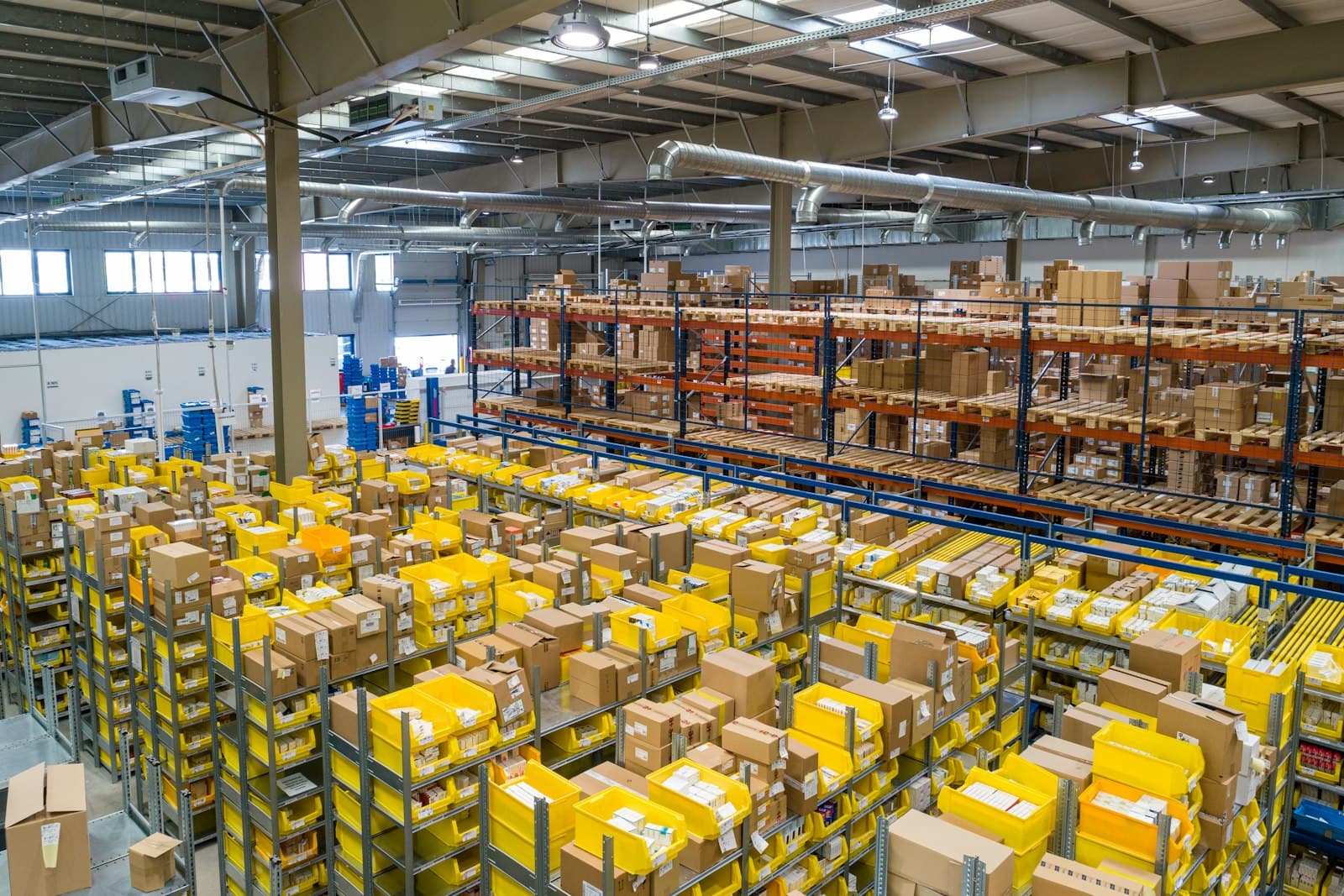
- Logistics & Supply ChainDispatch, tracking, warehouse and carrier systems that keep goods moving.
- Retail & E-commerceOrder, inventory and customer systems that hold up on the busiest day of the year.
- Manufacturing & IndustrialShop-floor, quality and planning software connected to your machines and ERP.
- Professional Services & B2BClient portals, engagement tools and internal platforms for firms that sell expertise.
What clients say
“They spent the first three weeks on our dispatch floor before writing any code. I wasn't sure about paying for that. But it matches how the planners work, and people used it from the first morning without being told.”
“The previous agency gave us four months of presentations and nothing to log in to. Treblesys had a staging server up in week two and has demoed every fortnight since. Some of the demos were rough, and that was fine by me.”
“In discovery they told us to buy one module off the shelf instead of building it. Not what I expected from a software company. It saved us more than discovery cost.”
Sample testimonials shown for layout. Replace with attributed client quotes in src/content/testimonials.ts.
Questions
The questions we get asked most often.
Most first calls start here. Cost, timelines, who owns the code and how we work with your team.
What kinds of companies do you work with?
Three groups, broadly. Funded startups building a first product; established SMEs replacing spreadsheets and ageing tools with a proper system; and enterprise teams that want an experienced delivery partner for one particular platform. What they have in common is a business problem that's worth solving with software.
How do engagements usually start?
With a 30-minute call so we understand the problem. If it makes sense for both sides, the next step is a short fixed-price discovery, which gives you a scoped plan and an estimate with ranges before you commit to a build. The plan is yours to take to another supplier if you want to, though most clients carry on with us.
What does a typical project cost?
It depends on the scope, which is why discovery comes first. As a rough guide, discovery runs from £8k to £25k. A first release of a custom platform usually lands somewhere between £40k and £250k, and a dedicated team is priced monthly depending on who's on it.
Who will be working on my project?
A small team led by a senior engineer, with a product designer and a delivery lead where the project needs them. The people you meet in discovery are the ones who build the system, and they're the ones in the demo every fortnight.
Do we own the code and IP?
Yes. Everything lives in repositories and cloud accounts you control from the start, and our contracts assign the IP to you as each milestone is paid.
Can you work with our in-house developers?
Yes, and it often works out best that way. We'll work in your tools and your process, pair with your engineers, and if you plan to run the system yourselves we'll build the hand-over in from the first sprint.
What happens after launch?
Either we hand it over fully, with documentation and training, or you keep us on a support and evolution retainer with SLAs and a monthly budget for improvements. Most of the production systems we've built are still on a retainer.